

Content marketing continues to be one of the most effective strategies for small businesses in 2025. It allows companies to reach their target audience, establish credibility, and generate leads without relying on paid advertising alone. By providing valuable, relevant, and consistent content, small businesses can attract and retain customers, build trust, and stand out from competitors. A well-planned content marketing strategy can transform a business’s online presence, making it easier to achieve long-term growth.
Why Content Marketing is Essential for Small Businesses
Content marketing helps small businesses communicate their value to potential customers in an authentic way. Unlike traditional advertising, content marketing focuses on educating and engaging audiences rather than directly selling. For small businesses with limited budgets, creating blogs, social media posts, videos, or infographics provides an affordable way to reach a larger audience. Content also improves search engine rankings, helping businesses appear in relevant searches and attract organic traffic over time.
Consistent and high-quality content demonstrates expertise and builds trust with customers. Over time, this trust can lead to higher conversion rates and repeat business. Small businesses that invest in content marketing often see long-term benefits, including better brand recognition and stronger customer relationships.
Types of Content Small Businesses Can Use
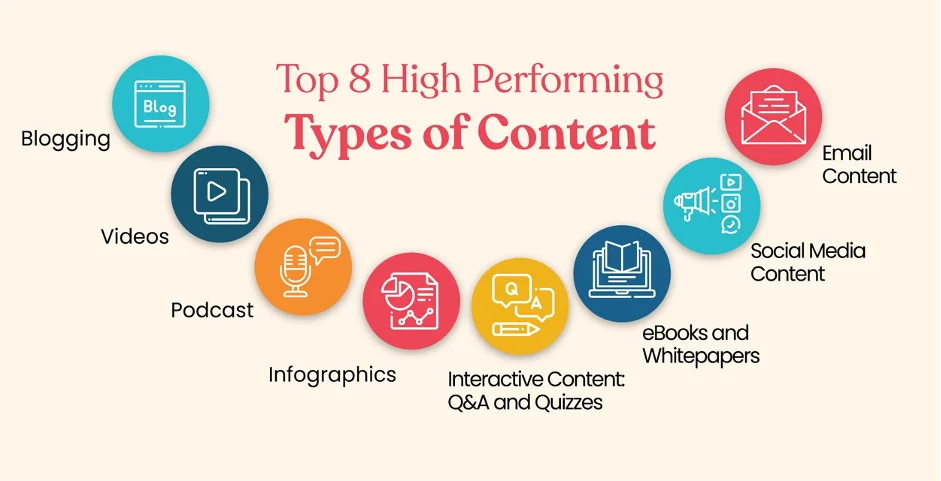
There are several types of content that small businesses can leverage. Blogs are a core element, helping answer customer questions, share insights, and improve SEO. Videos are increasingly popular, capturing attention quickly and communicating messages effectively. Social media posts, infographics, podcasts, and email newsletters all provide additional ways to engage with your audience.
Choosing the right type of content depends on your audience and business goals. For instance, a service-based business may benefit from case studies or how-to guides, while a product-based business could focus on demonstration videos and reviews. Diversifying content types ensures that you reach customers through multiple channels and keep them engaged.
Creating a Content Marketing Plan
A clear content marketing plan is essential for success. Start by identifying your target audience, understanding their needs, and mapping out the types of content that will be most valuable to them. Determine the frequency of publishing and select platforms where your audience is most active.
Content planning also involves using keywords strategically. Conduct keyword research to identify terms your audience is searching for and integrate them naturally into your content. This improves your chances of ranking in search engines and driving organic traffic. Planning ensures that your content is consistent, relevant, and aligned with your business goals.
Measuring the Success of Content Marketing
It’s important to track the performance of your content marketing efforts. Use tools like Google Analytics, social media insights, and email marketing reports to measure traffic, engagement, leads, and conversions. Analyzing metrics helps determine which types of content resonate with your audience and where improvements are needed.
Adjusting your strategy based on data ensures that your content remains effective. For example, if certain blog topics generate more leads or social posts drive higher engagement, focus more resources on those areas. Regular evaluation and optimization help small businesses achieve better results from their content marketing efforts.
Tips for Small Businesses to Succeed in Content Marketing
Small businesses should focus on creating content that is both valuable and authentic. Understanding the audience’s pain points and providing solutions is key. Consistency in publishing builds credibility, while storytelling can make your content more relatable and engaging. Collaborating with influencers or local experts can expand your reach. Finally, repurposing content across multiple channels maximizes its value and ensures more visibility.
Conclusion
Content marketing is a cost-effective and powerful tool for small businesses in 2025. By producing valuable content, engaging with the audience, and measuring results, businesses can build authority, attract leads, and achieve sustainable growth. A well-executed content marketing strategy allows small businesses to compete with larger brands while creating meaningful connections with their audience.