
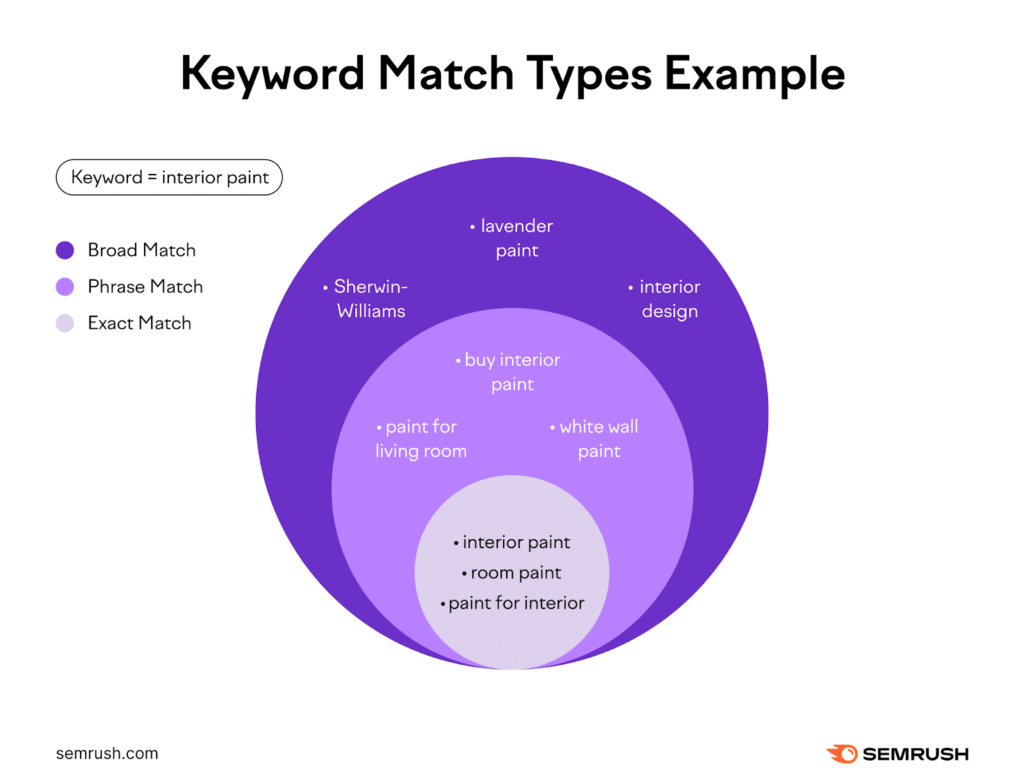
Keyword research is one of the most important steps in any digital marketing campaign. It helps businesses understand what potential customers are searching for online and guides the creation of content that attracts the right audience. For marketers and agencies, mastering keyword research is essential to improve visibility, drive traffic, and increase conversions. A well-researched keyword strategy allows content to meet user intent, rank higher in search results, and outperform competitors.

Understanding the Importance of Keyword Research
Every search begins with a word or phrase typed into a search engine. The keywords users choose reveal their intentions, needs, and problems. For businesses, targeting the right keywords ensures that content reaches users who are genuinely interested in the products or services offered. Ignoring keywords or choosing irrelevant terms can result in wasted marketing efforts, low traffic, and poor conversions. Proper keyword research provides insight into what users want, which allows marketers to craft content that is both useful and discoverable.
Types of Keywords and Their Role
Keywords can be broadly categorized into short-tail, long-tail, semantic, and geo-targeted terms. Short-tail keywords are broad, highly competitive, and consist of one or two words, such as “digital marketing.” Long-tail keywords, like “digital marketing tips for small businesses,” are more specific and tend to attract users with high purchase intent. Semantic keywords are related terms that help search engines understand the context of the content, while geo-targeted keywords help local businesses reach customers in specific locations. Understanding these types helps marketers optimize content effectively.
Conducting Effective Keyword Research
Keyword research begins with brainstorming topics related to your business. Marketers should think like their audience and anticipate the questions or problems users are trying to solve. Using tools such as Google Keyword Planner, Ahrefs, SEMRush, and Moz can help identify search volume, competition, and related terms. Beyond tools, analyzing competitor content reveals gaps and opportunities where your business can stand out. Research is not just about volume; understanding user intent and search behavior is crucial for selecting the best keywords.
Implementing Keywords Strategically
Once keywords are selected, the next step is to integrate them naturally into content. Place primary keywords in the title, headings, first paragraph, and meta description. Secondary keywords should appear in subheadings, paragraphs, and image alt tags. Avoid keyword stuffing, which can harm readability and SEO. Grouping related keywords into clusters around a main topic allows for comprehensive, in-depth content that satisfies both readers and search engines. Tracking performance through Google Search Console or Ahrefs ensures that strategies can be refined and optimized over time.
Adapting to Trends and Voice Search
The digital landscape is constantly changing, and marketers must adapt. With the rise of voice search, users are now typing fewer phrases and speaking more natural queries. Optimizing for conversational keywords ensures content matches how people ask questions verbally. Regularly updating keyword strategies based on emerging trends helps businesses maintain visibility and relevance. A proactive approach to keyword research ensures that content stays competitive and continues to drive targeted traffic.
Conclusion
Keyword research is the foundation of effective digital marketing. By understanding user intent, choosing the right types of keywords, and implementing them strategically, marketers can create content that drives traffic, improves engagement, and increases conversions. Continuous analysis and adaptation keep campaigns relevant, helping businesses achieve long-term success.